


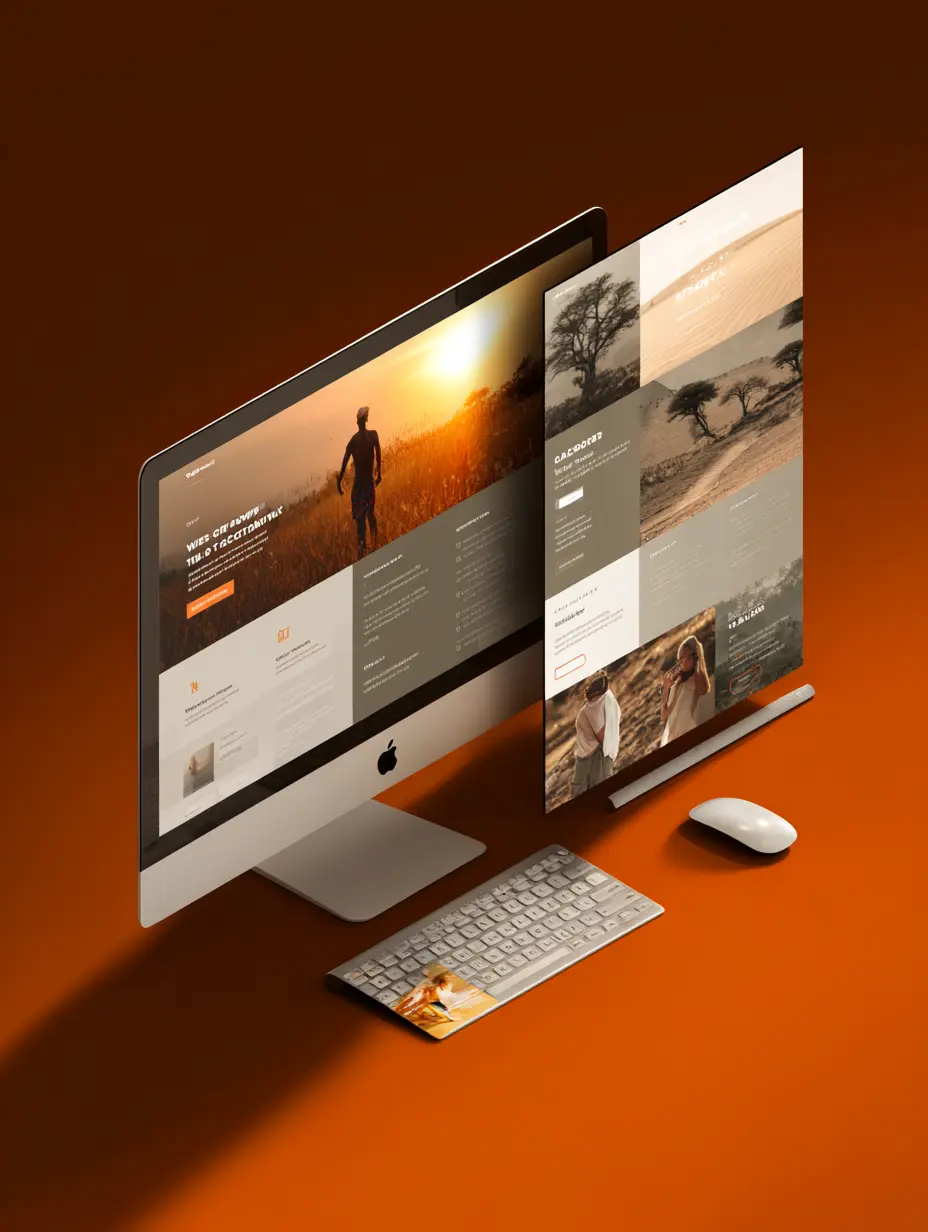
If you run a business in the bustling Hampshire area, you might already know just how vital a polished online presence can be. We’ve seen firsthand how professional website design Southampton agencies create can dramatically boost credibility, attract customers, and place growing companies on the digital map. In this post, we’ll share why we believe high-quality web design leads to more visibility, greater engagement, and overall business expansion. We’ll also explore practical tips and considerations for making your site shine, whether you’re a small shop, a startup, or a large enterprise. Ready to find out why we love combining modern design with local insights? Let’s dive right in.
Recognize why design matters
A good website is often the first point of interaction people have with your brand. It’s where potential clients, partners, and learners check you out, decide whether they trust you, and figure out if you offer the solutions they need. Great design can help you stand out in a crowded market and communicate professionalism before anyone even reads a word of text.
First impressions drive action
When visitors land on your homepage, they typically form an opinion of your brand in seconds. That impression can either pull them in or send them back to a search engine. If a website is disorganized or painfully slow, users may flee. On the other hand, a clean, modern layout signals you’re serious about your services, taking care of your online appearance, and ready to meet customers’ needs. This matters for all sorts of local businesses, from independent cafés near the city centre to larger firms with a national reach.
A positive first impression doesn’t just happen by chance. It’s shaped by your logo placement, typography, colour scheme, and content hierarchy. For instance, subtle colour accents and crisp fonts can highlight your calls to action, making them more enticing. We believe that every element should serve a clear purpose, guiding visitors toward getting more information, signing up for a newsletter, or making a purchase.
Local appeal fosters connection
Southampton is a diverse area filled with thriving small businesses and global companies alike. Incorporating a sense of local flair can give your site that extra something special. For example, a short sentence about the city’s maritime heritage or an image featuring a well-known local landmark can help hometown visitors relate immediately. By subtly weaving in these references, we can show you’re not just a faceless brand that could be anywhere in the world, but one that appreciates the local community and understands regional preferences.
Granted, you don’t want to overwhelm users with too many references—overuse of local imagery could come across as gimmicky. Instead, opt for tasteful elements such as a single skyline photo or a mention of a Southampton-related event that’s relevant to your audience. It’s all about striking the right balance so visitors feel at home, not bombarded.
Focus on user-friendly experience
Once you’ve captured a visitor’s attention, the next challenge is keeping them around. That’s where user experience, often shortened to UX, comes in. Good UX helps people find what they’re after quickly, so they’re less likely to bounce away in frustration. The layout, navigation menus, page loading speeds, and mobile responsiveness all play crucial roles in making your site easy to explore.
Seamless navigation ensures retention
Have you ever clicked from page to page on a website, only to get lost in complex menus or broken links? That’s the last kind of experience you want your visitors to have. Clear and intuitive navigation is essential for guiding users logically through your content. We often recommend putting your key pages—Home, Services, About Us, and Contact—front and centre in the top-level menu. Submenus can then house more detailed information, like product categories or specific service offerings.
It also helps to include a well-designed footer with quick links to frequently visited pages, legal notices, and your contact details. This way, no matter where a user scrolls, they can find their way to the next step without guesswork. Introducing a search bar is a bonus, letting users jump straight to what they need if they’re in a hurry.
Responsive design supports all devices
Nothing drives away potential customers faster than a website that looks fabulous on a desktop but is nearly unusable on a phone or tablet. With more people browsing on mobile devices every year, responsive design is a must. This involves ensuring each element of your site—images, text blocks, buttons, and forms—adapts automatically to different screen sizes.
Mobile-friendly sites typically feature:
- Scalable fonts that remain readable on smaller devices.
- Touch-friendly buttons with enough space so people don’t press the wrong one.
- Intuitive swiping or tapping gestures to reach key info.
Sometimes, implementing these changes sounds overwhelming, but we’ve found that a well-planned responsive layout can make a world of difference. Plus, search engines consider mobile responsiveness a ranking factor. That alone can bump you up in local search results, making it easier for Southampton residents to discover you.
Strengthen your brand identity
When your online space reflects who you are, it instantly becomes more inviting. Viewers drop by, see your distinct brand personality, and feel compelled to learn more. Effective website design does more than slap on a colour palette—it weaves all the key elements of your brand into a cohesive narrative.
Visual elements reflect who we are
Your site’s overall style, from images to graphics, should communicate your unique story. A modern aesthetic might feature bold typography and minimalist layouts. A family-friendly vibe might go for softer hues or warm imagery. Whatever direction you take, we recommend keeping consistency across all pages. That goes for colour choices, image styles, and icon sets.
We often advise businesses to gather mood boards early in the design process. Mood boards can include photos, small sketches, or screenshots of websites you admire. By clarifying the look and feel up front, you can keep your brand voice strong and consistent, letting your audience recognise your website at a glance.
Consistency across pages
The best brand experiences feel smoother than a well-tuned orchestra. From your homepage to your product pages, each section should share design cues. If your main colour is navy blue, for instance, you can use that for main headings and calls to action. If you prefer a bright accent colour like orange, you can keep it sparingly for hover effects or special boxes.
The more consistent your design feels, the more visitors trust you. In our experience, a cohesive style is not just about looking pretty—it reassures users that your business is stable and thoughtful. It’s like telling them, “We pay attention to details because we care about your experience.”
Reach more customers with SEO
Having a great design is fantastic, but it won’t drive growth unless people can find you in the first place. That’s where search engine optimisation (SEO) steps in. By aligning your site with the way people search online, you can improve your rankings, boost traffic, and help more folks in Southampton and beyond discover your offerings.
On-page factors for visibility
On-page SEO includes all the elements you can control directly, such as meta tags, headings, keyword usage, and internal linking. It’s about describing your pages in a way that helps search engines understand what each page is about. For instance, if you run a hair salon, you’d want your page titles to reflect the services your customers are seeking, like “Haircuts, Colouring, and Styling in Southampton.”
Moreover, including descriptive alt text for images ensures your site is accessible for screen readers and helps search engines index your content more accurately. We also recommend incorporating relevant internal links, referencing other pages or blog posts on your site. This practice allows both visitors and search engines to see the breadth of your content.
Local SEO amplifies foot traffic
If your goal is to draw in local clients—whether you run a bakery, a consultancy, or a dentist’s office—local SEO techniques can make a huge difference. Listing your business in Google My Business, collecting positive online reviews, and embedding a map of your physical location are a few key ways to stand out. Much like great signage in the real world, local SEO ensures you show up right where your community is looking.
We’ve found that using location-specific keywords in your content helps search engines associate your site with Southampton searches. For example, a professional website design in Southampton might feature blog posts highlighting local case studies, references to city events, or interviews with residents who have benefitted from the site. The more relevant (and authentic) your content is to local audiences, the more frequently it’ll appear in their search results.
Support varied business needs
One reason we love professional website design in Southampton for growth is its flexibility across different industries. Whether you’re a small start-up or an established corporation, a well-thought-out design can adapt to your unique goals. Here’s a quick look at how various businesses benefit:
| Business Type | Key Benefit of Web Design |
|---|---|
| Small & Medium | Local visibility, easy lead capture |
| Startups & Entrepreneurs | Sets brand tone, efficient lead generation |
| E-commerce Stores | Boosts online sales, enhances user journey |
| Professional Services | Builds trust through credibility |
| Non-Profits & Education | Increases outreach, streamlines fundraising or events |
| Larger Enterprises | Integrates complex platforms, scales for heavy traffic |
Small and medium enterprises
Southampton has no shortage of SMEs competing for local attention. Clear calls to action, a professional vibe, and easy-to-spot contact methods can help smaller teams stand out despite limited budgets.
Startups and entrepreneurs
Young companies often struggle to grab their market slice. A sleek site that highlights core services right from the homepage can be a game-changer. We’ve seen startups raise funds more effortlessly when their online presence reflects confidence and clarity.
E-commerce stores
From boutique clothing labels to artisanal bakeries shipping nationwide, e-commerce brands rely on a visually pleasing interface and smooth checkout process. By integrating secure payment gateways and user-friendly product pages, you ensure your customers’ shopping experience is hassle free.
Professional services
Accountants, consultants, lawyers, and medical professionals rely on an authoritative but friendly online image. By featuring staff bios, professional credentials, and an easy scheduling system, potential clients can quickly see that you’re both qualified and approachable.
Non-profits and educational groups
With fewer resources than large corporations, non-profits need to make an immediate impact. Clear donation buttons and well-organised event calendars help supporters understand your mission and engage more effectively.
Larger enterprises
Larger businesses often require more complex integrations—like booking engines, customer portals, or inventory management systems. A robust website can handle high volumes of traffic, align with corporate branding, and evolve as the company’s needs change over time.
Speak to our visitors’ trust
Trust is key in any business relationship, and websites often serve as the digital handshake that welcomes people to your venture. Even small signals of authenticity can encourage visitors to move forward, whether that’s making a purchase, subscribing to a newsletter, or reaching out directly.
Security features matter
Online security isn’t just for e-commerce anymore. Every site benefits from ensuring user data is safe and protected. Installing an SSL certificate (that little padlock icon in the browser bar) reassures visitors that your site is trustworthy. Because cyber threats are a concern worldwide, it’s wise to adopt safe data handling practices, regardless of your industry.
Beyond SSL, you can highlight secure payment badges or mention your compliance with data protection regulations. Some visitors will specifically look for these trust markers before giving out personal details or making a purchase. In our mind, transparency always fosters confidence.
Testimonials and social proof
Lots of us check reviews before booking a restaurant table or buying a new gadget, right? The same principle applies to services offered online. Showcasing customer testimonials or adding brief success stories can demonstrate your track record. For example, if you’ve helped a local Southampton café boost their online bookings, share that story. If a major healthcare provider gave positive feedback, make sure potential clients see that endorsement.
We recommend placing testimonials strategically, like near call-to-action buttons, so interested visitors see social proof at the precise moment they might be wavering. Simple star ratings or a small snippet from a satisfied customer can also go a long way toward building credibility.
Plan for future growth
A robust website shouldn’t just fit your current needs. It should be built to accommodate expansions, new product lines, and changes in your target market. That’s why we stand behind flexible platforms and design solutions that adapt as you evolve. Nobody wants to rebuild a site from scratch every time business priorities shift.
Scalability built in
You might start with a basic landing page to explain who you are, then expand to a full blog, e-commerce store, or booking system later on. Switching or adding features can be relatively seamless when your website foundation is well-structured. We often suggest using popular content management systems so that components can be updated without major overhauls.
This sort of scalable mindset is especially crucial for enterprises anticipating large spikes in traffic, whether from seasonal promotions or from new product launches. Robust hosting plans, content delivery networks (CDNs), and image compression are all ways to lighten the load on your servers. That way, you won’t risk losing leads or sales because of slow loading times.
Ongoing maintenance for success
No matter how impressive your site is at launch, it won’t stay in tip-top shape forever without routine maintenance. Plug-ins need updates, security holes require patches, and user trends evolve. Scheduling regular check-ups can save you headaches, ensuring your website continues to represent your brand advantageously. After all, wouldn’t you rather deal with minor updates than face a major site meltdown at a critical moment?
In our experience, monthly or quarterly audits, performed by a design or development team, can keep everything secure and operating smoothly. During these audits, you can also evaluate whether your current design still suits your goals, or if it’s time for a small refresh.
Use a collaborative approach
Effective professional website design in Southampton rarely comes down to a single person. It’s a team effort—blending the creativity of designers with the know-how of developers and the input of stakeholders. We find that maintaining open communication channels throughout the project keeps everyone aligned, on-schedule, and enthusiastic.
Working with our design team
If you’ve ever collaborated on a group project, you know the importance of setting clear expectations. The same is true in web design. Early discussions should cover your brand mission, target audience, and any preferences for colour schemes or site function. From there, we’ll share initial wireframes or mock-ups, refine them together, and keep iterating until we have a cohesive vision.
Frequent check-ins—via email, video calls, or in-person meetings—help us handle changes swiftly. Rather than waiting until the very end to see your site’s blueprint, you stay involved at each stage. That means fewer surprises and more chances to spot small mistakes before they become big ones.
Staying open to revisions
We get it: sometimes you think you want a deep purple colour scheme, only to realise a soothing teal feels more inviting. Changes happen, and that’s OK. Gathering feedback from your internal team or from users can highlight improvements that make your site better. Depending on the scope of the revision, adjusting midstream is often more efficient than discovering a major issue post-launch.
Of course, we typically advise balancing changes with the project timeline and budget. A flexible approach does wonders, but being overly indecisive can stretch your resources. Clear communication about revisions helps keep everyone on the same page, so you can finalise the site with confidence.
Monitor and measure results
A shiny, feature-rich website might look fabulous, but how do you know it’s performing optimally? We recommend implementing analytics tools, like Google Analytics, to see how many visitors your site gets, which pages they frequent, and where they’re dropping off. Armed with that data, you can tweak and refine to achieve even better outcomes.
Analytics for better understanding
Measurement is the difference between guesswork and informed decision-making. When you track user behaviour, you gain insight into what resonates and what falls flat. Perhaps your product page is popular but your pricing page has a high bounce rate. Indicators like that guide you to refine messaging or layout.
A well-structured analytics dashboard can tell you which channels (like social media, search engines, or referrals) drive the most traffic. It can also measure how effective your calls to action are, by examining click-through rates and conversion metrics. Once you have performance data, you can set realistic growth targets and track them over time. This process isn’t about vanity metrics, it’s about seeing tangible improvements that matter for your bottom line.
Iterating for continuous improvement
Think of your site as a living asset that evolves alongside your company. Over time, you may launch new products, enter new markets, or discover new user preferences. A cycle of analyzing data, making adjustments, and measuring results ensures your website never becomes static.
Here’s a simple iteration cycle we like:
- Gather data (site speed, page views, conversions).
- Identify areas needing attention (slow load times, unclear calls to action).
- Implement changes (optimize images, revise button text).
- Monitor improvements (did load time go down, did conversions rise?).
By looping through this cycle, you can constantly refine your online presence. This way, you remain agile in our ever-changing digital environment.
Highlight success stories
Sometimes, the best way to see the impact of well-planned website design is through real-life examples. When a small chain of local Southampton bakeries updates its site to include online ordering, they not only reach more busy customers but also reduce phone call volume. Or a professional services firm that invests in a streamlined appointment system might notice a surge in new client inquiries.
Real-life transformations
One typical scenario is the shop owner who transitions from a basic website that merely shows business hours to a dynamic platform with a robust inventory and e-commerce capabilities. Suddenly, they’re selling products across the UK instead of only locally, effectively doubling or tripling their revenue. We’ve also seen medical practices slash their administrative tasks in half by letting patients book appointments online.
In each case, the heart of the transformation is a user-centric design. By prioritizing what visitors genuinely need—be that easy checkout, quick contact forms, or pertinent content—you can see dramatic boosts in satisfaction and sales.
Key lessons learned
Successful case studies often highlight these lessons:
- Keep the user front and centre.
- Don’t underestimate the power of seamless navigation and responsive designs.
- Build trust by showcasing relevant credentials, testimonials, and security measures.
- Stay flexible so you can add more functionality as your business grows.
- Monitor performance metrics to identify which changes work best.
At the end of the day, small tweaks and ongoing improvements can create long-term success stories.
Final thoughts and next steps
The professional website design Southampton companies rely on isn’t just about aesthetics. It’s about showcasing who we are, what we do, and how we solve customers’ problems. A powerful digital presence welcomes potential clients with open arms, builds credibility, and drives sustainable growth—whether you run a cosy mom-and-pop shop or head up a thriving corporate entity.
Working on design elements, from brand colours to layout to navigational flow, helps visitors connect with your values and trust your expertise. Investing in user-friendly and mobile-responsive sites doesn’t just generate revenue, it cultivates loyalty you can build upon. And by integrating SEO best practices and local insights, you truly extend your reach to customers who are eager to discover what you have to offer.
If you’re considering a site refresh or you’re starting from scratch, remember to plan for scalability and keep measuring what matters. We like to think of a well-maintained website as a living document, primed to evolve with your business as it grows in Southampton and beyond. Ready to stand out among your competition? Embrace a thoughtful, engaging design that resonates with your audience, and watch what happens next. Feel free to share your own experiences, tips, or questions in the comments—we’re always happy to chat about ways to make your online presence the best it can be!